
Spring brings thoughts of blooming gardens, walks in the rain, and evenings on the patio. As springtime approaches in Virginia Beach and you do a spring cleaning of your home and garden, it’s also a great time to get your pet springtime-ready. While most younger pets bounce into the season effortlessly, aging dogs and cats need thoughtful adjustments to stay safe and comfortable. Here’s how to prepare your older pet for spring, ensuring their golden years are filled with joy.
Written by Dr. Kerry Muhovich, Caring Pathways Veterinarian

1. Adapt Grooming for Senior Pet Comfort
Regular grooming is essential, but older pets may struggle with standing for long sessions.
Work with your groomer to:
✔️ Shorten sessions: Prioritize necessities (nail trims, hygiene areas) over aesthetics.
✔️ Use supportive mats: Cushioned surfaces ease joint pain during grooming.
✔️ Skip stressful steps: Avoid blow-driers if loud noises trigger anxiety.
Pro Tip: Schedule grooming in the morning when stiff joints are less painful.
2. Maintain Cozy Spaces with Adjustable Layers
Don’t pack away winter blankets just yet! Senior pets regulate body temperature poorly, so:
🐾 Keep blankets in favorite napping spots for chilly mornings.
🐾 Swap heavy winter bedding for lighter, breathable layers as temperatures rise.
🐾 Use orthopedic beds outdoors to cushion arthritic joints during patio time.
3. Secure Window Wells & Screens
For Dogs:
Older dogs with vision loss or cognitive decline may wander near window wells. Ensure covers are:
✔️ Sturdy (replace cracked plastic).
✔️ Securely latched (prevents accidental falls).
For Cats:
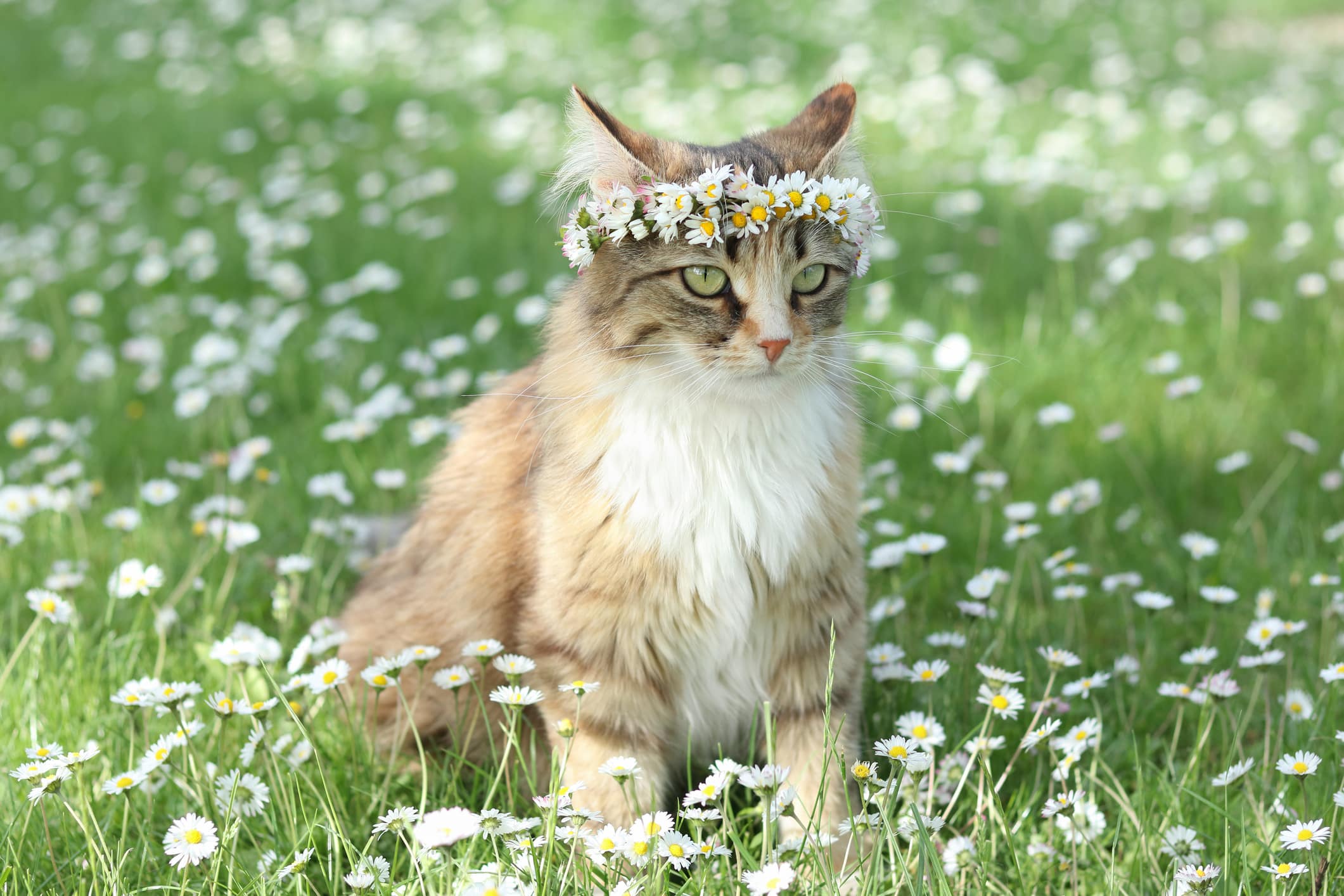
Check window screens for tears—curious kitties leaning against weak screens could tumble out.
4. Pet-Proof Gardens & Outdoor Spaces
Toxic Plants:
🌷 Avoid lilies (deadly to cats) and opt for pet-safe blooms like sunflowers or snapdragons.
🌿 Skip cocoa mulch: Toxic if ingested by dogs.
Yard Safety:
✔️ Clear debris: Remove pine needles/weeds from shaded rest areas to prevent coat matting.
✔️ Stabilize pathways: Avoid rearranging outdoor furniture—consistent layouts help vision-impaired pets navigate.
✔️ Boost fence visibility: Use bright tape or flags to mark boundaries for dogs with fading eyesight.
5. Update Preventative Care
Spring is ideal for consulting your veterinarian about:
💉 Vaccines: Adjust based on outdoor activity (e.g., leptospirosis risk).
🐛 Parasite control: Senior pets need tailored flea/tick/heartworm prevention.
🩺 Pain management: Discuss arthritis supplements or therapies for active days.
Final Tip: Observe your pet closely. Slower movements, reluctance to climb stairs, or increased napping may signal discomfort. Small changes—like a ramp to the patio or non-slip rugs—can make spring adventures safer and more enjoyable for your pet.
These tips will help you to have a great season with your seasoned pet. Here’s to sunny days ahead!
Need Extra Support for Your Senior Pet?
At Hampton Roads Veterinary Hospice, our team specializes in hospice and palliative care for aging pets. Whether your companion needs pain management, mobility support, or a personalized plan to navigate seasonal changes, we provide compassionate in-home assessments to ensure their golden years are peaceful and joyful.
Contact us today to schedule a comfort care consultation—because every season with your pet deserves to be cherished.
About the Author: Dr. Kerry Muhovich
Dr. Muhovich is a graduate of Colorado State University veterinary school. She has worked in various areas of veterinary medicine, including shelter medicine, animal behavior, general practice, teaching techs, and end-of-life care. She has found her career home in end-of-life care. Dr. Muhovich is certified in canine rehabilitation, fear-free, and low-stress handling.
Dr. Muhovich loves serving her clients and patients in the comfort of their homes. She loves all cats and dogs and is honored to help pets in need.